
Making your home work for you
If you have a disability, long-term health condition or serious illness, we may be able to adapt your home to make life easier. From simple grab rails to bigger changes like level-access showers or adapted kitchens, we’re here to help. In many cases, we can work with your local authority to cover the cost, so you won’t have to pay anything.
The first step for applying for home adaptations is to contact your GP and ask for a home assessment from an Occupational Therapist.
- Having a home assessment is free
- Your Occupational Therapist will liaise with your local council about your requirements and if you are eligible for any funding assistance.
- Once an assessment has been done, they will write a report recommending adaptations and equipment. This will include detailed drawings and specifications. They will send this to you and us
- Any adaptations need to be approved by us
- We may be able to cover the costs of smaller adaptations
Smaller changes can make everyday tasks much easier. We have limited funding for these, but if funding isn’t available through us, your local authority may still be able to help.
Examples include:
-
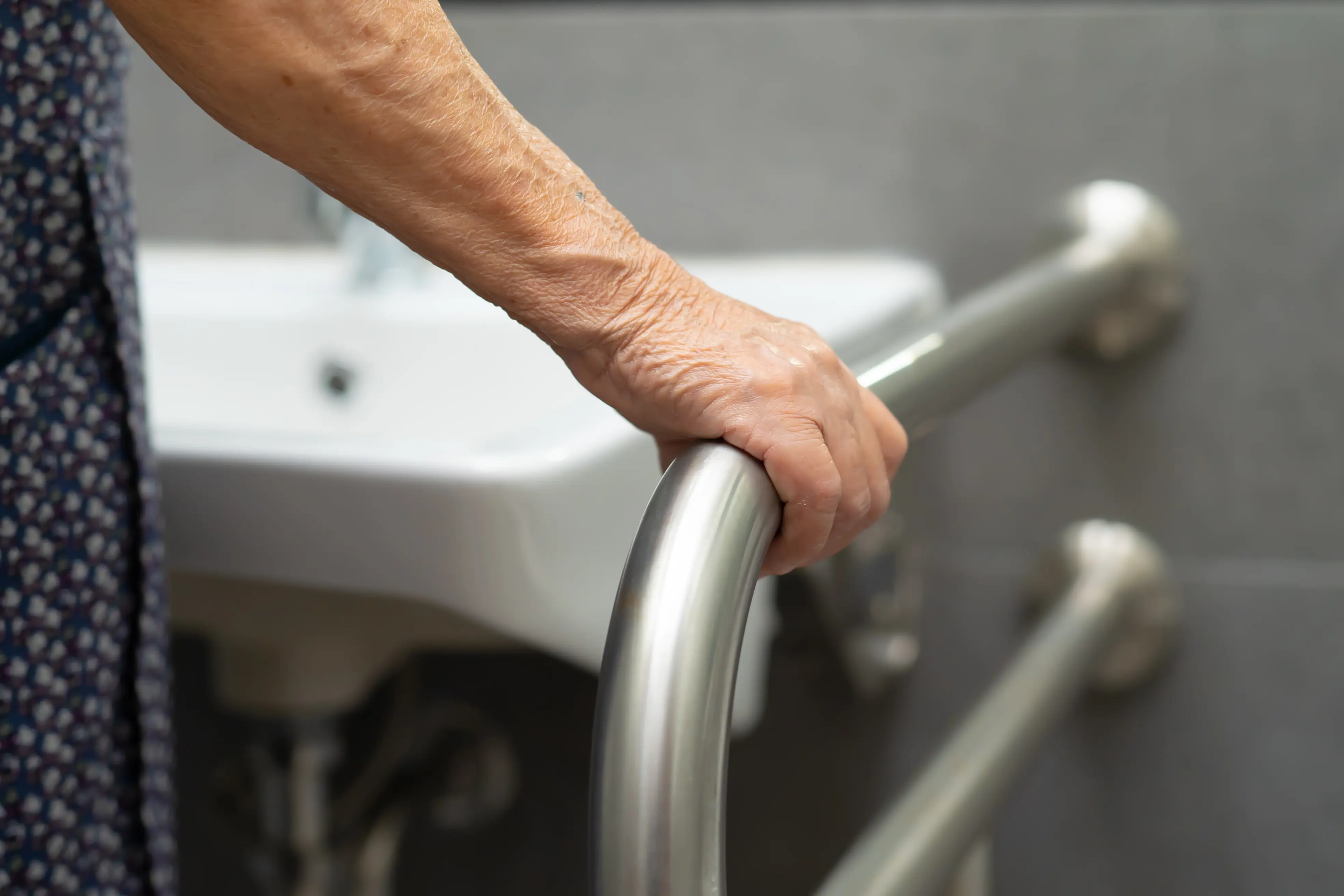
Grab rails, handrails and banister rails
-
Easier-to-use taps, handles and heating controls
-
Low-level light switches and raised power points
-
Key-safes and extra lighting
-
Temporary ramps or shower seats.
To help us handle your request quickly, please give as much detail as possible of what you think you need.
Larger adaptations can make a big difference to your independence at home. These may include:
-
Wet-rooms or level-access showers
-
Widened doorways for wheelchair access
-
Lowered kitchen units for easier use.
Major works require an occupational therapist's (OT) assessment. They will recommend what you need, and once we receive their report, we’ll:
-
Pass it to our Asset & Compliance team
-
Help you applying for a Disabled Facilities Grant from your local authority.
If you’d prefer to arrange the work yourself, you’ll need written permission from us first. Please share details of the work and who will be carrying it out before making any changes.
If you’d like to discuss an adaptation for your home, please contact us today and we’ll be happy to help.